The Hold and Build Imperative: Kresge’s Path Through Disruption
The philanthropic sector in 2025 found itself navigating a landscape pocked by federal funding freezes and families torn apart in ICE raids . . . a shredding of the social safety net and cities under siege by armed forces . . . regulatory pullbacks and attacks on free speech . . . the ascendency of artificial intelligence and the upending of systems in which we have operated for decades.
It was at once disruptive, unsettling, and profoundly troubling. But it was also not the first time our sector—and Kresge—has had to adapt to rapid and disturbing change.
When I arrived at Kresge twenty years ago, it had become clear that the foundation’s long-standing reliance on capital challenge grantmaking had reached its natural limits of efficacy. Over the next few years, we pivoted to develop and deploy a more varied and multi-layered suite of tools, ultimately rooting our work in advancing equity and opportunity in American cities.
That diversification became essential as our hometown of Detroit was soon thereafter buffeted by the convergence of the federal economic recession of 2008, the bankruptcies of the automotive industry, the housing foreclosure crisis, and an implosion of the city’s municipal leadership. All leading to the declaration of municipal bankruptcy—pretty much the definition of an existential crisis for Detroit.
Kresge played an essential role in assembling multiple civic and philanthropic actors to both meet the pre-bankruptcy challenges and raise the capital necessary for the federal bankruptcy court to formulate the “Grand Bargain,” which resolved the bankruptcy by protecting the fundamental integrity of city pensions and prevented the fire-sale of the holdings of the Detroit Institute of Arts. That resolution enabled the city to emerge with a clean balance sheet and an optimism to approach its own resurgence.
That was 2013. The shocks of 2020 were a completely different creature, no less existential. The COVID-19 pandemic tested civic society’s capacity to combine innovation and speed in an environment wracked by pain, suffering, and ideological fragmentation. The murder of George Floyd and the subsequent demonstrations of racial reckoning tested quite different values and behaviors, giving rise to a clarified imperative of racial justice.
Philanthropy leaned into both. Kresge deployed more than $19 million in grants and social investments to the pandemic response, while also adding flexibility to existing grants so that partners could redirect resources to meet urgent community needs. And we granted $30 million in support of Black, Brown, Asian, and Indigenous-led organizations across our focus cities of Detroit, Memphis, Fresno and New Orleans.
This kind of rapid, trust-based response—loosening reporting requirements, converting restricted grants to general operating support, accelerating disbursements, putting dollars directly in the hands of communities that needed the resources the most—proved essential for keeping community-based nonprofits afloat after revenue streams collapsed.
That was then, and this is now. The crises have taken multiple forms, but they too held enormous potential to disrupt fundamentally and in an enduring way the trajectories of the kind of human-centered, equitable progress to which philanthropies like Kresge are so deeply committed.
As in the past, the question is how best to balance the protection and preservation of those civic qualities we most value with the need to reimagine and rebuild new systems that best serve our future.
The Dual Imperative
The tendency to “hold constant”—to honor our commitments, protect our grantees, and weather the storm—is a powerful impulse within the philanthropic sector, and it comes from a place of wisdom, care, and privilege. It is absolutely necessary; but it is not sufficient. It needs to be accompanied by a willingness to see new possibilities—to “build.”
As the policies, behaviors, and norms of each of the systems in which Kresge works—education, health, community development, environmental resilience, human services, arts and culture—are being upended, transformed, and deconstructed, there accordingly emerges a dual imperative: to hold and to build.
Protecting Progress and Possibility
Holding means actively defending the infrastructure of opportunity to which we have contributed, such as the community development financial institutions that provide capital in delicate or unproven markets, the arts and culture organizations that anchor neighborhood identity, or the public health systems working to eliminate disparities.
It means protecting the civic infrastructure that enables democracy itself—the nonprofit organizations, community leaders, and cross-sector collaborations that give voice to those historically excluded from decision-making.
It means deepening our investments in the communities where we’ve made deep, long-term commitments even as political and economic winds shift.
It means rejecting cynicism and disengagement by holding space for the possibility of meaningful change and the recognition that enduring change requires staying power.
The Next Turn of the Wheel
Even as we protect what we’ve built, however, we must expand our aperture of aspiration and begin to imagine what comes next.
How does higher education adjust in the face of challenges to received assumptions about the value of a college degree? How can public health be safeguarded when its most fundamental premises of equitable access are undermined? How can arts and culture fortify a community’s values of identity and belonging? How can models of community-based climate resilience persist and grow in the face of a hostile federal policy environment?
Answering these and other questions affecting the stability, health, and vitality of America’s cities may, in some cases, involve the adaptation of existing systems to be more responsive and nimble. In others, it may entail radical restructuring. And in others yet, it may require thoroughgoing reinvention.
Philanthropy is uniquely equipped to do all three.
- We can forge new partnerships that bring together unlikely allies around shared purpose. We need to cast a net across sectors, disciplines, and even ideologies that share a commitment to pragmatic problem-solving.
- We can invest in emerging leaders and organizations that understand this moment in ways we may not. We need to work across generations to blend experience and idealism, a comfort with accelerated incrementalism and a sense of untampered urgency.
- We can experiment with different channels of capital deployment. We need to reverse-engineer our solution-sets—recognizing that grants and loans, convening and communications, strengthened networks and improved data may all play a role in varying combinations in coming at a challenge.
The following stories in this 2025 Annual Report demonstrate what it means to make that next turn of the wheel:
From Race Forward, whose advocacy helped create a $135 million housing fund in Chicago, a $24 million annual anti-displacement fund in Seattle, and a permanent dedication of 2% of New Orleans’ city budget to affordable housing …
To the Economic Security Project, which faced down misguided state-level legislation designed to outlaw guaranteed income pilots …
And to Civilia, which rapidly supported states preparing to implement new Medicaid work requirements under H.R. 1.
What This Means for Kresge
It was never in doubt that Kresge would maintain our core commitments to expand equity and opportunity for low-income people in America’s cities. Full stop. No mincing words or hiding behind less potent vocabulary.
The imperative to both Hold and Build gives deeper meaning to that commitment.
We will stand with our grantees, our borrowers, and our community partners while excavating ways in which our national and place-based disciplines can evolve to remain relevant and effective.
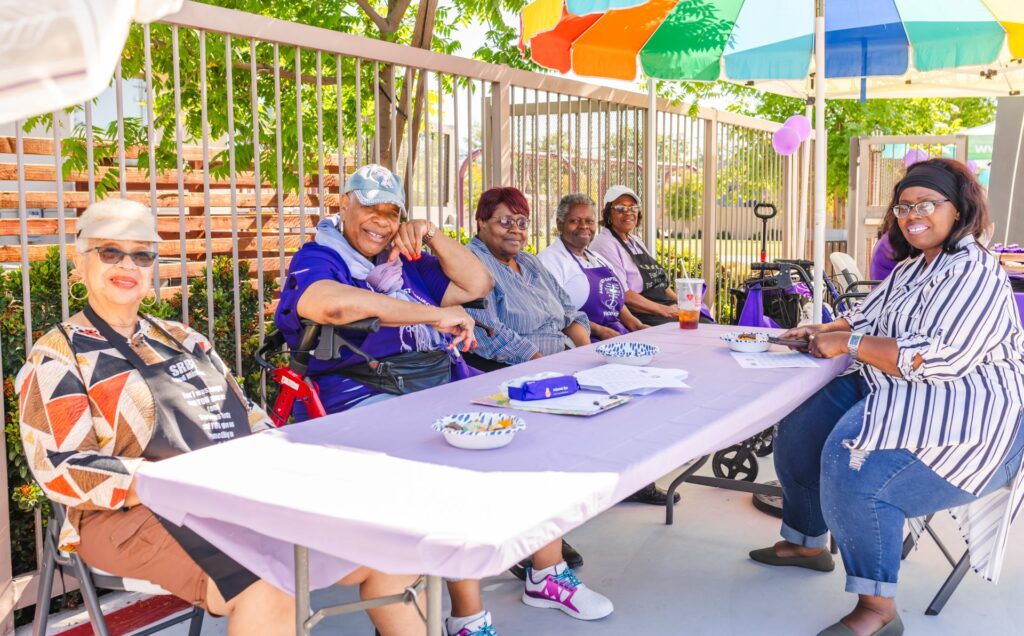
We will sharpen our place-based work in Detroit, Memphis, New Orleans, and Fresno, recognizing that it is in cities like these that the changes in the federal policy environment will fall most directly, and harmfully.
We will expand our capacity to transcend traditional boundaries – across sectors and among disciplines . . . between the immediately urgent and the more nuanced ambiguity of the long-term.
“Rather than simply justifying our existence, we must demonstrate our value through action—by being useful to communities, by deploying our resources with humility and effectiveness, by using our position to amplify voices that might otherwise go unheard, by taking risks that others cannot.”
Rip Rapson
We will underscore selectively, but forcefully, the values and principles that guide our work with particular emphasis on equity, community problem-solving capacity, and the integrity of democratic participation.
And we will invest in our own organizational capacity to navigate complexity, to learn quickly, and to adapt without losing our core identity.
There will always be tension between protecting what we’ve built and creating what must come next. The question is whether we can hold that tension creatively, using it to generate new possibilities rather than allowing it to paralyze us.
For decades, philanthropy has operated with certain assumptions about its place in the social change ecosystem—as catalyst, as risk-taker, as bridge-builder, as patient capital provider.
It is the healthy evolution of those roles that equip philanthropy to rise to the challenges of this moment.
When others retreat, we can continue to catalyze through creativity . . .
When a blanket of caution substitutes for courage, we can take risks commensurate with the magnitude of the hardships washing over our communities . . .
When polarization is the default position, we can foster what Robert Putnam terms bridging social capital . . .
And when traditional resource channels become untenably constricted, we can carve new ones capable of moving capital the last mile to those in greatest need.
We know that the path forward requires equal amounts of courage and humility, of conviction and flexibility. That was true even in less volatile and insidious times. But it takes on a crystalline clarity today. Hold and build is exactly what we’ll do.
Board Additions
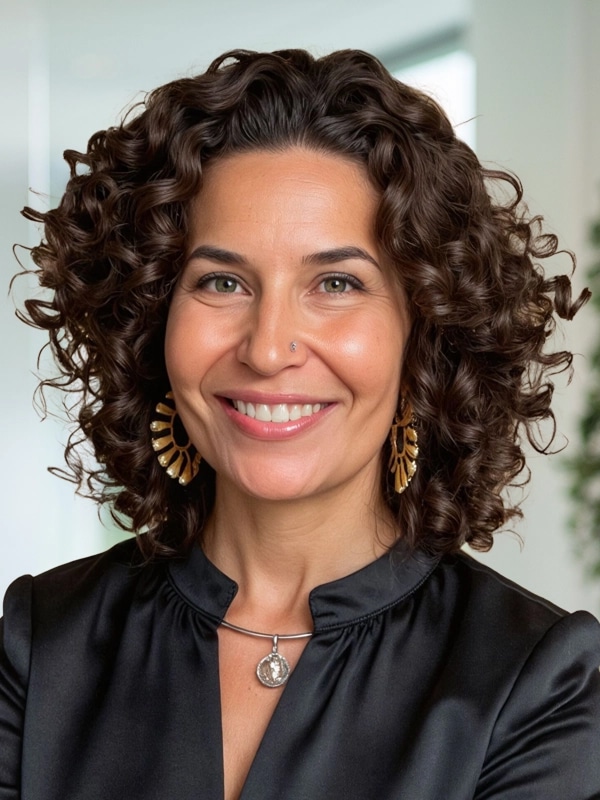
The Kresge Foundation Board of Trustees welcomed Janis Bowdler as its newest member in 2025. Janis is a nationally recognized leader in economic inclusion and equity, with a career spanning government, philanthropy, and the nonprofit sector. She brings extraordinary expertise in aligning capital with policy to expand economic opportunity for those who need it most, and we are deeply grateful to have her counsel and leadership on our board.
Our Big News: We’re Moving
In September 2025, The Kresge Foundation was joined by community members, city leaders, partners, and media to unveil a transformative investment in Northwest Detroit, an area where we have made substantial investments, including supporting the transition of a historic 53-acre college campus into a nonprofit conservancy.
The move marks a new chapter in Kresge’s place-based philanthropy that includes constructing a new foundation headquarters in the city coupled with significant campus improvements, as well as off-campus stewardship and beautification of vacant land, property tax relief and home repair assistance to homeowners, and support to renters to remain in place.
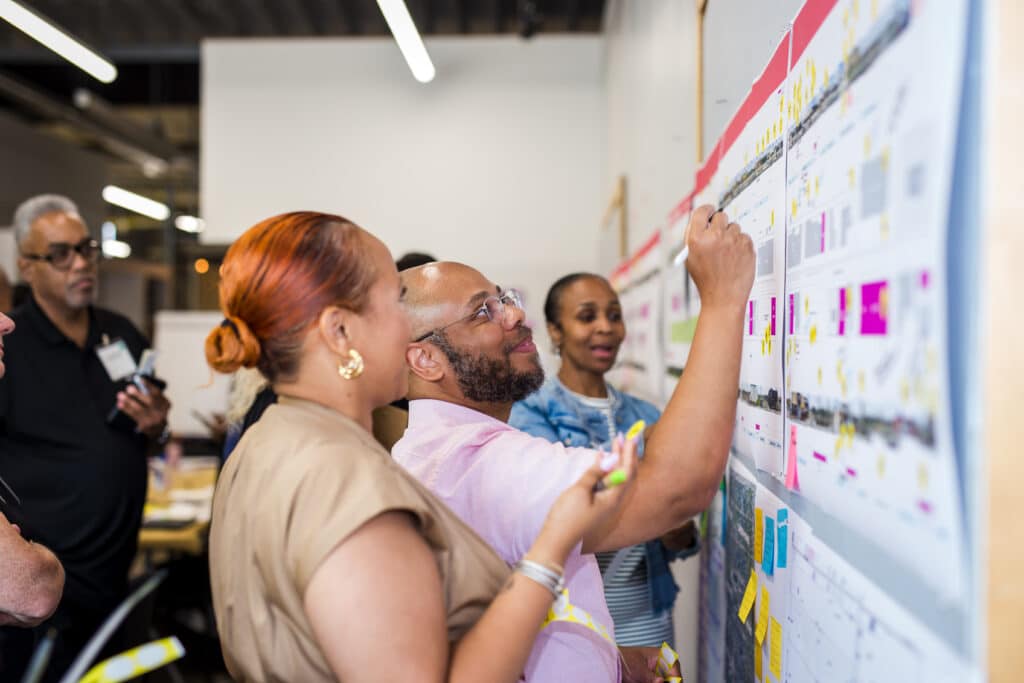
As we prepare to become neighbors, we have convened residents to identify their priorities and have already begun to activate early projects that reflect community vision, strengthen stability, and lay the foundation for shared stewardship and long‑term neighborhood well‑being.
The Hold and Build Imperative: Our Path Through Disruption
In moments of profound uncertainty, nonprofit institutions face a fundamental dichotomy: retreat to what they know or reimagine what might be possible.
The philanthropic sector in 2025 found itself navigating that ragged terrain—a marred landscape pocked by federal funding freezes and cities swept up in ICE raids, attacks on ideas we’ve long centered like the need for equity for all… where familiar methods of practice shifted and where the systems we have operated in for decades were completely upended.
To say it was disruptive is a vast understatement. But it also wasn’t our first go round in meeting a moment of disruption, not our first encounter with major transition.
Twenty years ago, when I joined Kresge, I came in with an idea that the board embraced, which was that the world had grown more complex than a single challenge grantmaking tool could address. After nearly 80 effective years, it had simply reached its natural limits. We responded by expanding our toolbox with other approaches to funding, introduced social investments, deepened our focus on cities and low-income populations, built out our team, and ultimately pivoted toward strategic philanthropy rooted in equity and opportunity.
Just a few years later, our hometown of Detroit faced municipal bankruptcy, jeopardizing decades of investment in the city’s infrastructure, cultural fabric, and most importantly, the livelihoods of generations of residents. To ease the impacts and encourage a swift closure of the proceedings, we helped assemble an array of civic and philanthropic partners to preserve worker pensions and city assets. Those actions allowed the city to emerge with a clean balance sheet and an optimism to approach its own resurgence.
Then came 2020. The devastation brought on by the Covid-19 pandemic was especially pronounced in cities, as were the demonstrations in support of a new racial reckoning in America after the death of George Floyd. Kresge deployed more than $19 million in grants and social investments specifically tied to the pandemic response, while also adding flexibility to existing grants so that partners could redirect resources to meet urgent community needs.
And we granted $30 million in support of Black, Brown, Asian, and Indigenous-led organizations across our focus cities of Detroit, Memphis, Fresno and New Orleans.
This kind of rapid, trust-based response – loosening reporting requirements, converting restricted grants to general operating support, accelerating disbursements, putting dollars directly in the hands of communities that need the resources the most – proved essential for keeping community-based nonprofits afloat after revenue streams collapsed.
So, we come to 2025, when the sector again faced a profoundly different inflection point. The new federal administration investigating nonprofit organizations and attacking the values we cherish… Federal funds paused or downright reversed, dismantling the social safety net… Immigrant families torn apart by armed forces entering their cities.
Each hard time begs the same question: can we hold firm on what matters while building what must come next? And each time the answer was yes, because anything less would be a dereliction of our duty.
The Dual Imperative
The impulse to “hold constant,” to maintain our commitments, protect our grantees, and weather the storm is perhaps the strongest personality trait of the philanthropic sector, and it comes from a place of wisdom, care and privilege. But holding constant isn’t sufficient for this moment. The systems within which we work—education, health, community development, environmental resilience and more—don’t have the luxury of pausing.
They’re actively threatened and forced to transform. Some of these transformations undo the progress we’ve fought to achieve. Others create openings we couldn’t have imagined even a year ago.
So, enter the “hold and build” imperative: the simultaneous commitment to protect hard-won gains while designing the next generation of philanthropic practice.
Protecting Progress and Possibility
Holding means actively defending the infrastructure of opportunity we’ve helped create, such as the community development financial institutions that provide capital in delicate or unproven markets, the arts and culture organizations that anchor neighborhood identity, the public health systems working to eliminate disparities, or the improved financial health of HBCUs across the country.
It means protecting the civic infrastructure that enables democracy itself—the nonprofit organizations, community leaders, and cross-sector collaborations that give voice to those historically excluded from decision-making.
It means doubling down in the communities where we’ve made deep, long-term investments even as the political and economic winds shift. These are covenants built on the understanding that lasting change requires staying power.
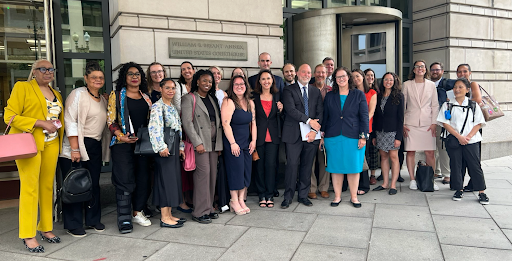
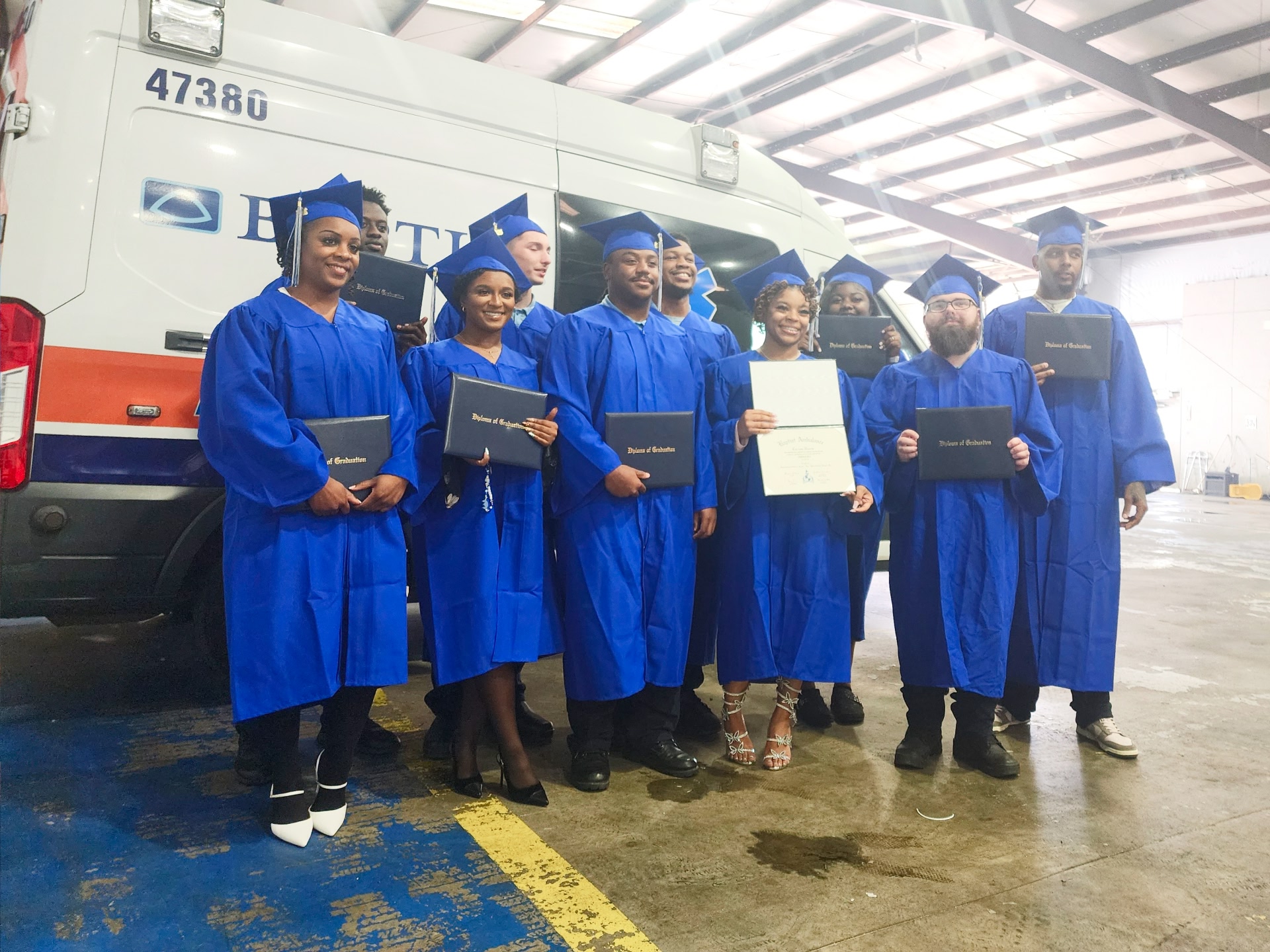
This looked like our partners at the Environmental Protection Network holding the line on climate progress by helping safeguard more than $60 billion in federal climate and energy investments during a period of significant disruption… in Memphis, the Memphis Medical District continuing its workforce development work with local hospitals and launching three new healthcare career pathways in 2025… and in communities across the country, Another World Exists convening parents addressing grief, cultural organizers focused on the Just Transition, leaders of aligned arts organizations, multidisciplinary practitioners, youth poets and more to continue learning and growing together.
And perhaps most importantly, it looked like holding space for the possibility of progress by refusing the cynicism that says meaningful change is impossible.
The Next Turn of the Wheel
But a holding position on its own isn’t a strategy for impact. Even as we protect what we’ve built, we must imagine—and begin constructing—what comes next.
For each of our program disciplines, we’ve challenged ourselves to ask: what is the next turn of the wheel?
What does higher education philanthropy look like when traditional pathways are being questioned? How does health equity advance when the very definition of public health is contested? What role can arts and culture play in communities facing existential questions about identity and belonging? How do we advance climate resilience when environmental policies vanish? If we had to start over, would we simply rebuild what was or design something new?
These questions have provoked us to again refine and expand our toolbox by:
- Forging new partnerships that bring together unlikely allies around shared purpose. The challenges we face are too large for any sector or organization to tackle alone, and we know that there are plenty of allies who share our values and are just waiting for an invitation to the table.
- Investing in emerging leaders and organizations that understand this moment in ways we may not. Whose voices must we be listening to, learning from, and investing in?
- Experimenting with different deployment strategies for our capital. When is a grant the right tool? When is a loan more appropriate? When should we be using our voice and convening power rather than our checkbook?
Flip through the pages to hear from these leaders directly on what they’re building new… from Race Forward, who’s advocacy work has resulted in a $135 million housing fund in Chicago, $24 million in annual anti-displacement funding in Seattle, and a permanent dedication of 2% of New Orleans’ city budget to affordable housing… to the Economic Security Project, which mobilized to fight down misguided state-level legislation designed to outlaw guaranteed income pilots… Civilia, which rapidly supported states preparing to implement new Medicaid work requirements under H.R. 1… and Health Leads, fighting to ensure public health enters a new narrative reality as vital civic infrastructure.
What This Means for Kresge
Embracing a Hold and Build imperative means maintaining our core commitments to expand equity and opportunity for low-income people in America’s cities. Full stop. No mincing words or hiding behind less potent vocabulary.
It continues to mean we will deepen our understanding of how our national and place-based disciplines must evolve to remain relevant and effective in a changing landscape.
We will sharpen our place-based work in Detroit, Memphis, New Orleans, and Fresno, recognizing that these cities are laboratories for understanding broader dynamics.
We will expand our capacity to work across traditional boundaries—between sectors, between disciplines, between the urgent and the long term.
We will be more explicit about our values and the principles that guide our work, particularly around equity, community voice, and democratic participation.
“Rather than simply justifying our existence, we must demonstrate our value through action—by being useful to communities, by deploying our resources with humility and effectiveness, by using our position to amplify voices that might otherwise go unheard, by taking risks that others cannot.”
Rip Rapson
And we will invest in our own organizational capacity to navigate complexity, to learn quickly, and to adapt without losing our core identity.
There will always be tension between protecting what we’ve built and creating what must come next. The question is whether we can hold that tension creatively, using it to generate new possibilities rather than allowing it to paralyze us.
For decades, philanthropy has operated with certain assumptions about its place in the social change ecosystem—as catalyst, as risk-taker, as bridge-builder, as patient capital provider.
Today, many of these assumptions are being rightly challenged. This requires shifting from a defensive crouch to an active stance. Rather than simply justifying our existence, we must demonstrate our value through action—by being useful to communities, by deploying our resources with humility and effectiveness, by using our position to amplify voices that might otherwise go unheard, by taking risks that others cannot.
As we look toward the future, we do so with clear eyes about the challenges ahead and with determination to meet them. We know that the systems we work within are changing. We know that our role as a foundation will continue to evolve. We know that the path forward requires equal amounts of courage, humility, and conviction and flexibility.
This is the work before us. It’s a challenge we embrace.
Board Additions
The Kresge Foundation Board of Trustees welcomed Janis Bowdler as its newest member in 2025. Janis is a nationally recognized leader in economic inclusion and equity, with a career spanning government, philanthropy, and the nonprofit sector. She brings extraordinary expertise in aligning capital with policy to expand economic opportunity for those who need it most, and we are deeply grateful to have her counsel and leadership on our board.
Our Big News: We’re Moving
In September 2025, The Kresge Foundation was joined by community members, city leaders, partners and media to unveil a transformative investment in Northwest Detroit, an area where we have made substantial investments including supporting the transition of a historic 53-acre college campus into a nonprofit conservancy.
The move marks a new chapter in Kresge’s place-based philanthropy that includes constructing a new foundation headquarters in the city coupled with significant campus improvements, as well as off-campus stewardship and beautification of vacant land, property tax relief and home repair assistance to homeowners, and support to renters to remain in place.
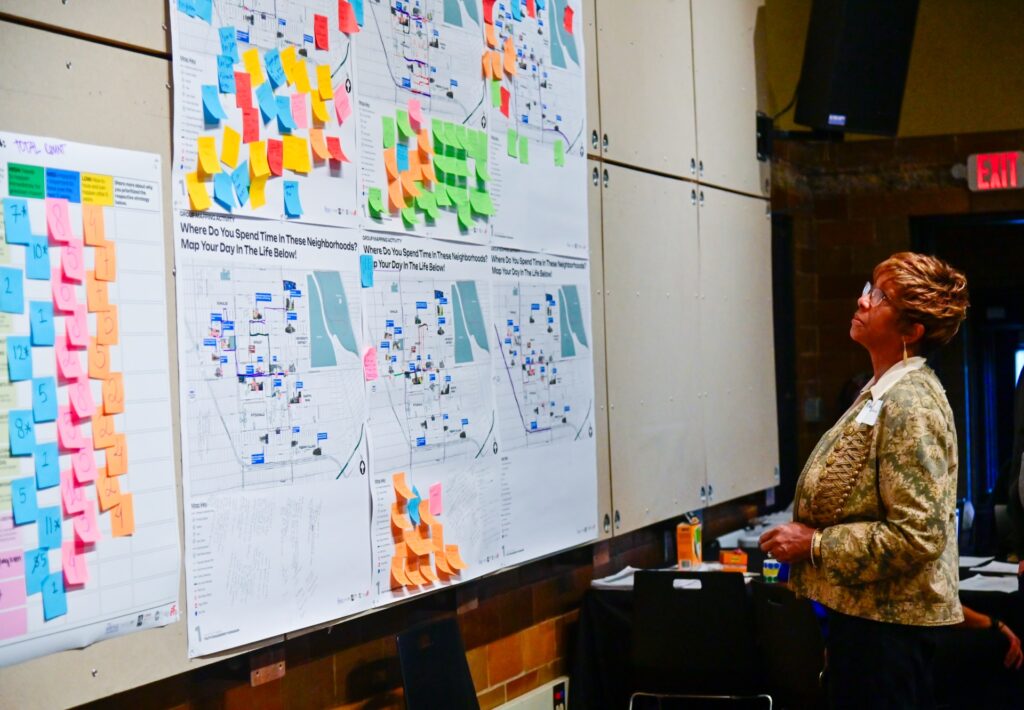
As we prepare to become neighbors, we have convened residents to identify their priorities and have already begun to activate early projects that reflect community vision, strengthen stability, and lay the foundation for shared stewardship and long term neighborhood well being.